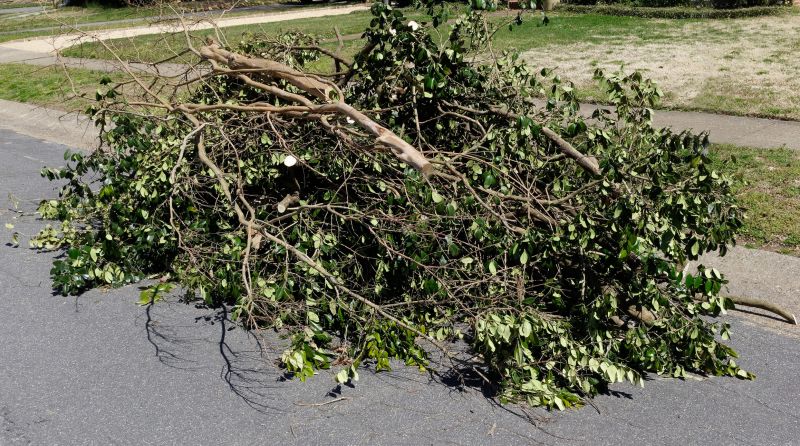
Dead Branch Removal in San Jose, CA
Dead branch removal services involve safely trimming or removing damaged, dead, or overgrown branches from trees and shrubs to maintain the health and appearance of the landscape. This type of work typically covers projects such as removing hazardous branches that pose a risk of falling, clearing away deadwood that can attract pests, or shaping trees to improve airflow and sunlight exposure. Property owners often seek this service to prevent potential property damage, enhance the safety of outdoor spaces, and promote the overall vitality of their trees and plants.
Before requesting dead branch removal, homeowners usually want to understand which branches should be targeted and how the process might impact the tree’s health and growth. It’s also common to inquire about the best timing for pruning and whether the removal will be performed in a way that preserves the natural shape of the tree. Clarifying these details helps ensure the work aligns with landscape goals and maintains the safety and aesthetic appeal of the property.
Many property owners in San Jose, CA look into Dead Branch Removal for repairs, replacements, upgrades, and appearance-related improvements.
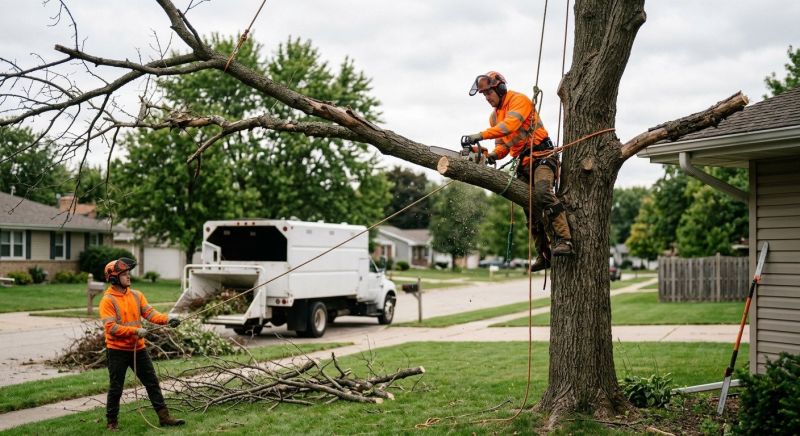
Hazard Prevention
Removing dead branches reduces the risk of falling and property damage.
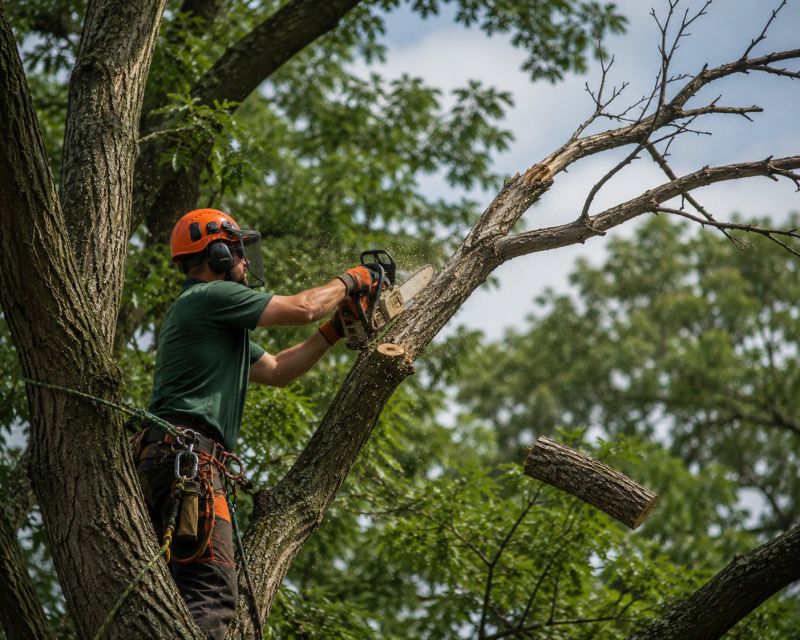
Tree Health
Proper dead branch removal promotes the overall health and growth of trees.
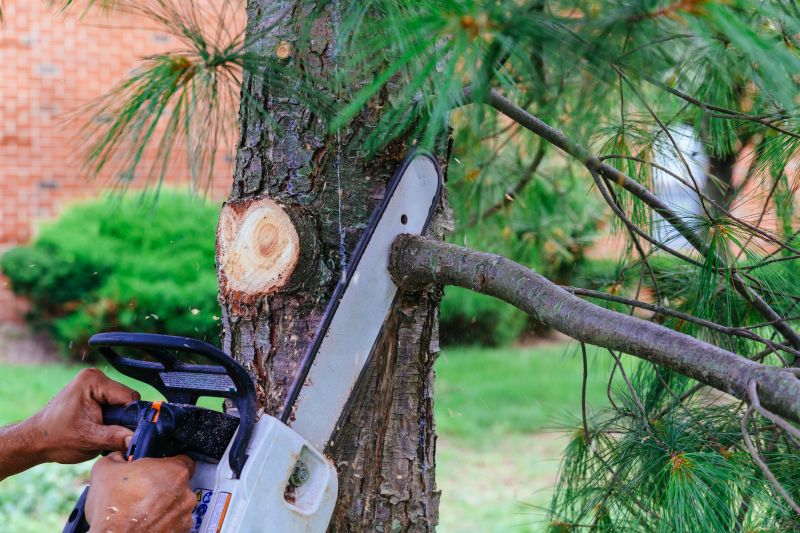
Aesthetic Improvement
Eliminating dead or broken branches enhances the appearance of trees and landscapes.
Dead Branch Removal in San Jose, CA
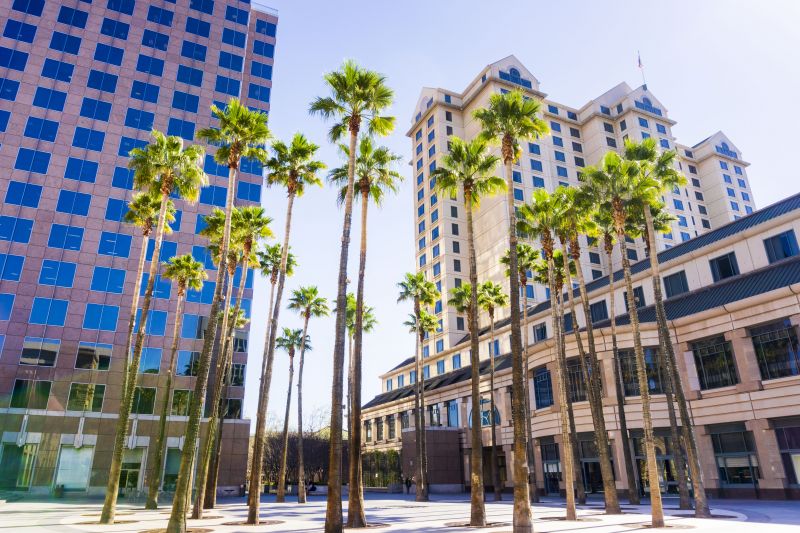
Dead branch removal services involve safely trimming or removing damaged, dead, or overgrown branches from trees and shrubs to maintain the health and appearance of the landscape. This type of work typically covers projects such as removing hazardous branches that pose a risk of falling, clearing away deadwood that can attract pests, or shaping trees to improve airflow and sunlight exposure. Property owners often seek this service to prevent potential property damage, enhance the safety of outdoor spaces, and promote the overall vitality of their trees and plants.
Before requesting dead branch removal, homeowners usually want to understand which branches should be targeted and how the process might impact the tree’s health and growth. It’s also common to inquire about the best timing for pruning and whether the removal will be performed in a way that preserves the natural shape of the tree. Clarifying these details helps ensure the work aligns with landscape goals and maintains the safety and aesthetic appeal of the property.
Many property owners in San Jose, CA look into Dead Branch Removal for repairs, replacements, upgrades, and appearance-related improvements.
Common Dead Branch Removal Jobs
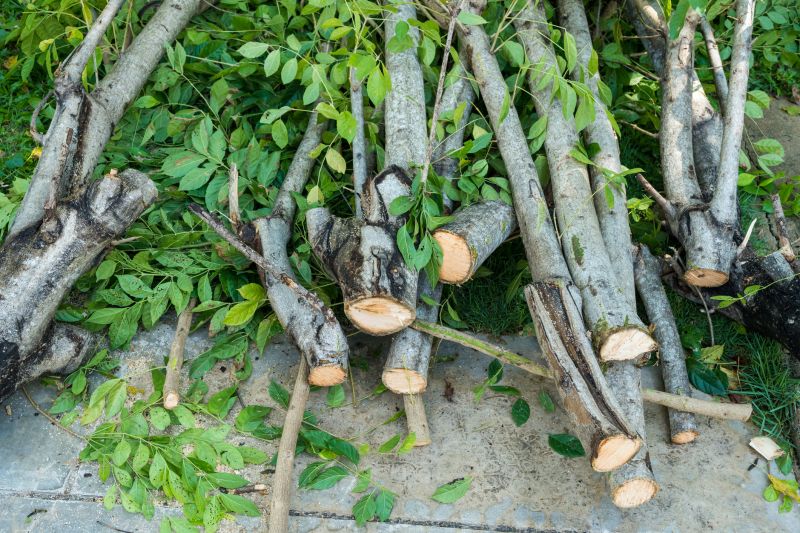
Dead Tree Removal - safely removes dead or dying trees to prevent potential hazards.
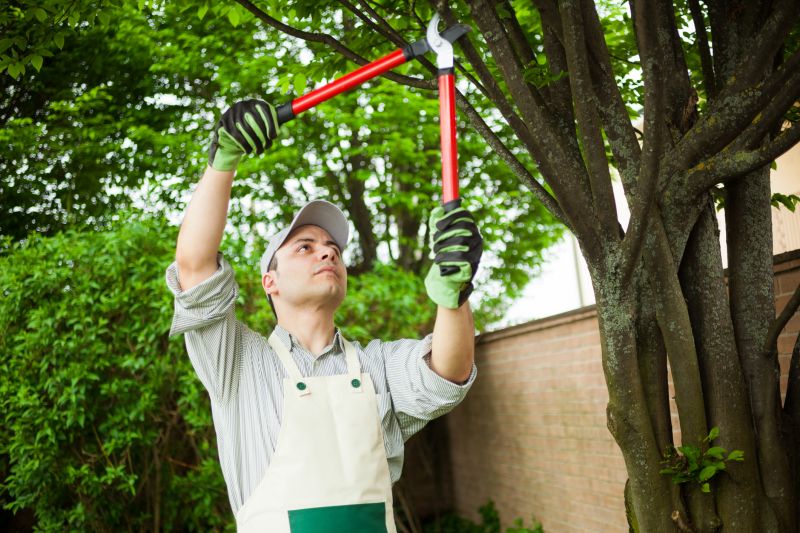
Branch Pruning - trims dead or overhanging branches to improve tree health and safety.
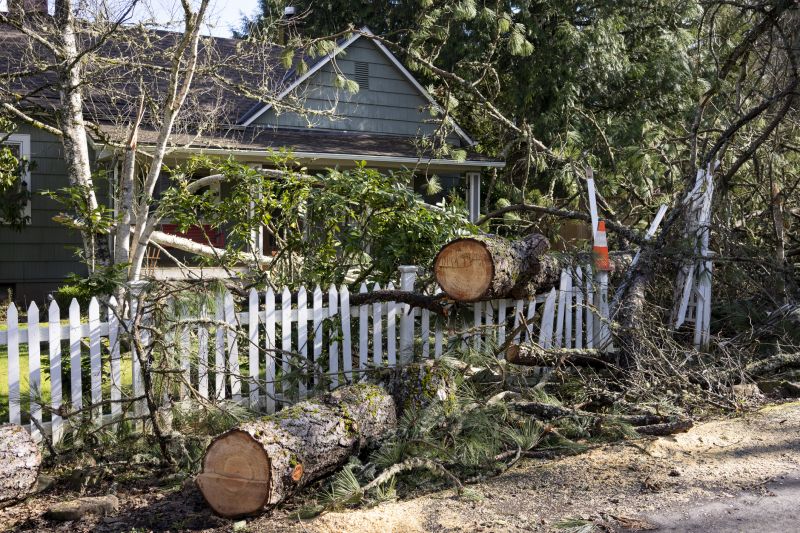
Storm Damage Cleanup - clears fallen or broken branches after storms to protect property.
Overgrown Tree Clearing - removes excessive or hazardous branches for better yard visibility.
Hazard Tree Assessment - evaluates dead or unstable trees to determine removal needs.
Emergency Branch Removal - responds to urgent situations involving broken or dangerous branches.
Dead Branch Removal Questions
Why should dead branches be removed? Removing dead branches helps prevent potential damage to the tree and nearby property, reducing the risk of falling limbs during storms.
When is the best time to remove dead branches? Dead branches can be removed anytime, but it’s often best done during the tree’s dormant season or when they pose an immediate hazard.
Will removing dead branches harm the tree? Proper removal of dead branches typically benefits the tree’s health by preventing decay and disease from spreading.
What signs indicate a tree needs dead branch removal? Visible dead or decaying branches, cracks, or broken limbs are common signs that removal may be necessary.
Request Dead Branch Removal in San Jose, CA
Use the quote form on this page to share the basics of your project and request more information for the type of work you need.